What’s different about the Pain Relief Center? How does it compare to other physical therapy practices?
Physical therapists all receive a very similar education and training, with decisions to specialize occurring once in practice. For many decades, I’ve chosen to practice in a one-on-one model of care. With declining insurance reimbursements, most larger physical therapy practices have been forced to divide the therapist's attention among multiple patients per hour. While this can be an effective model when prescribing routine exercises is the norm, many feel like their needs are not being heard and addressed.
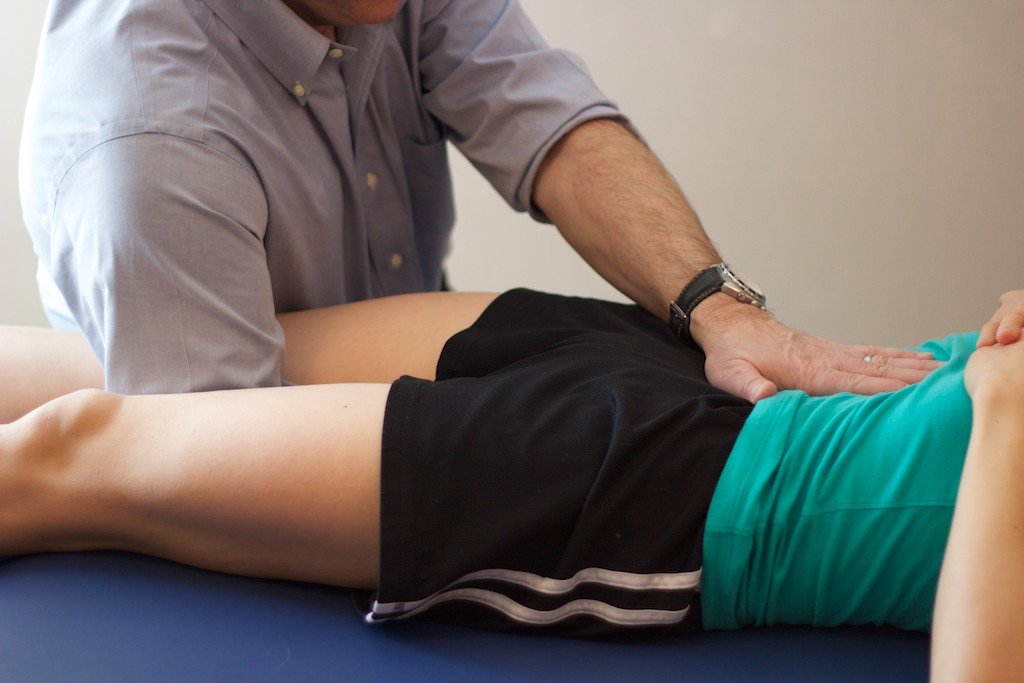
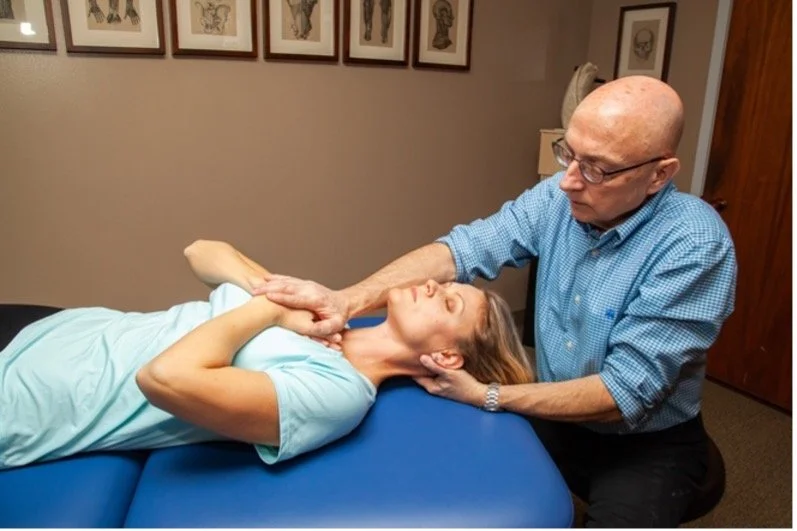
Since its inception as a profession, physical therapy has used a range of strategies to aid in rehabilitation and recovery. The primary methods include exercise and manual therapy/hands-on therapy. Manual therapy, which includes joint and spinal manipulation, slower types, such as the myofascial release-style of work that I’ve long used, massage, trigger point work, and more. Newer PTs argue that all manual therapy is passive and dependency-building, but I cannot think that those beliefs were influenced by the bean counters who force 3-4 patients per hour on every clinic-based PT. Research shows that exercise, education, and manual therapy can all play a significant role in reducing pain and restoring more normal movement and function, but manual therapy is time-intensive.
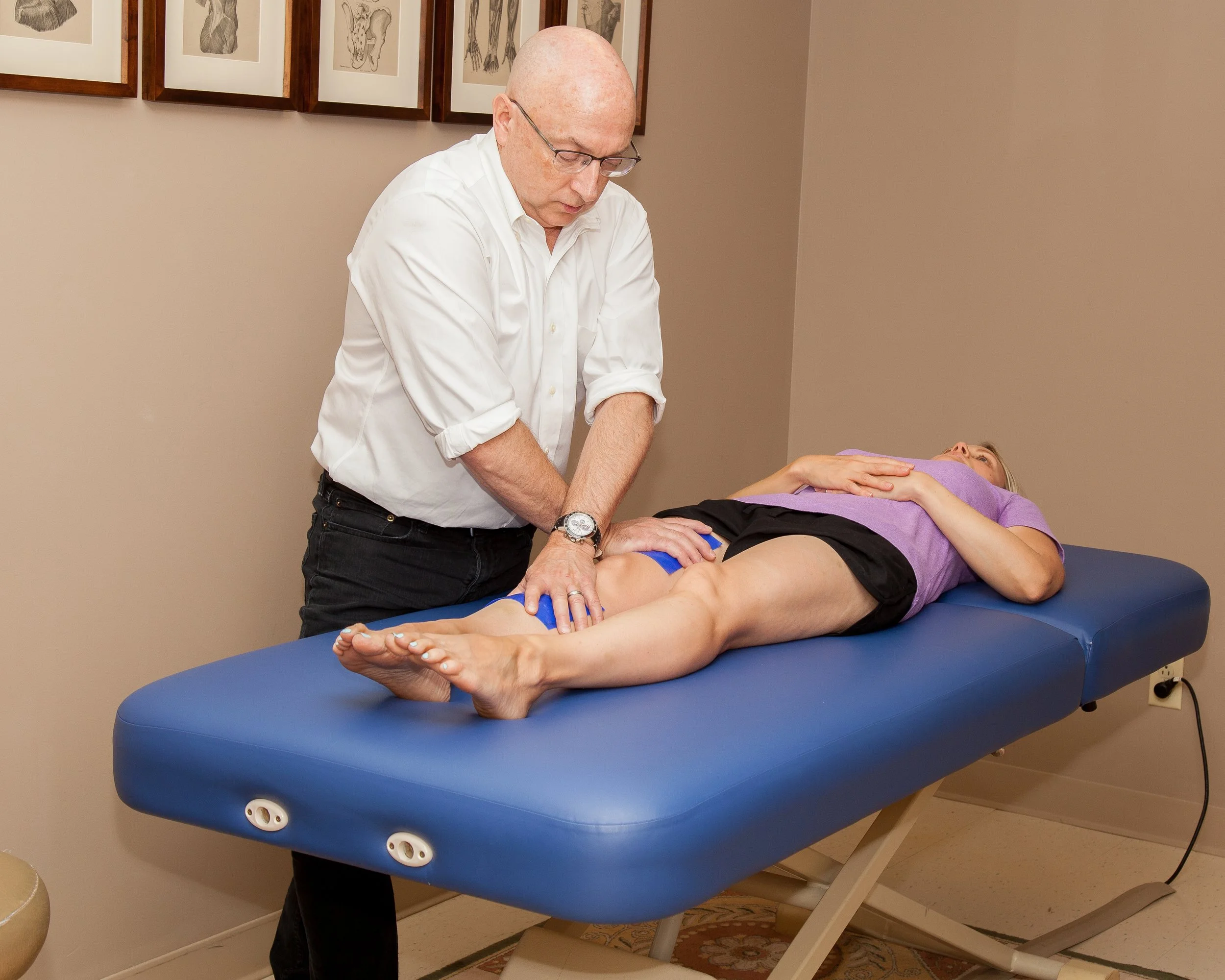
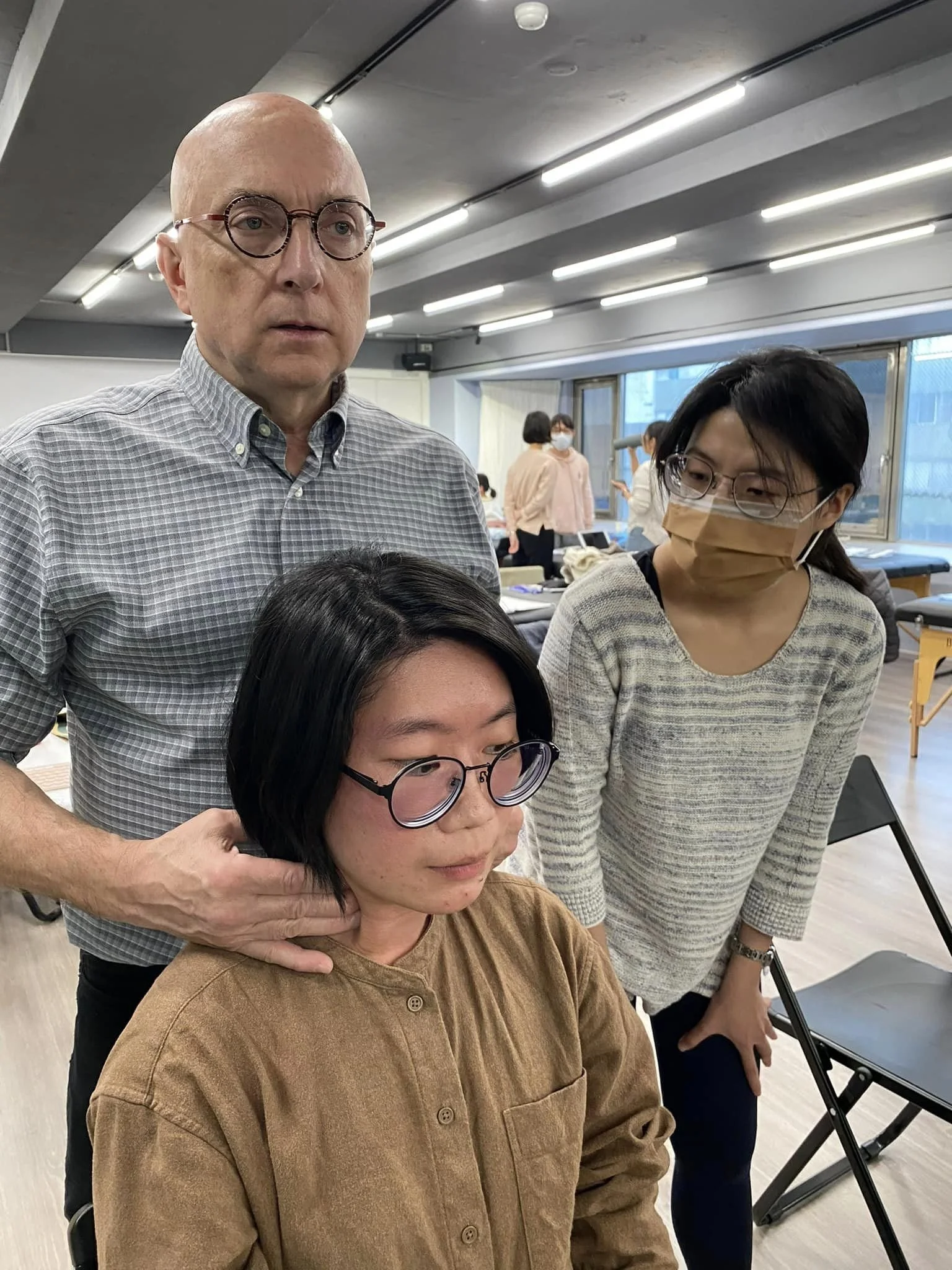
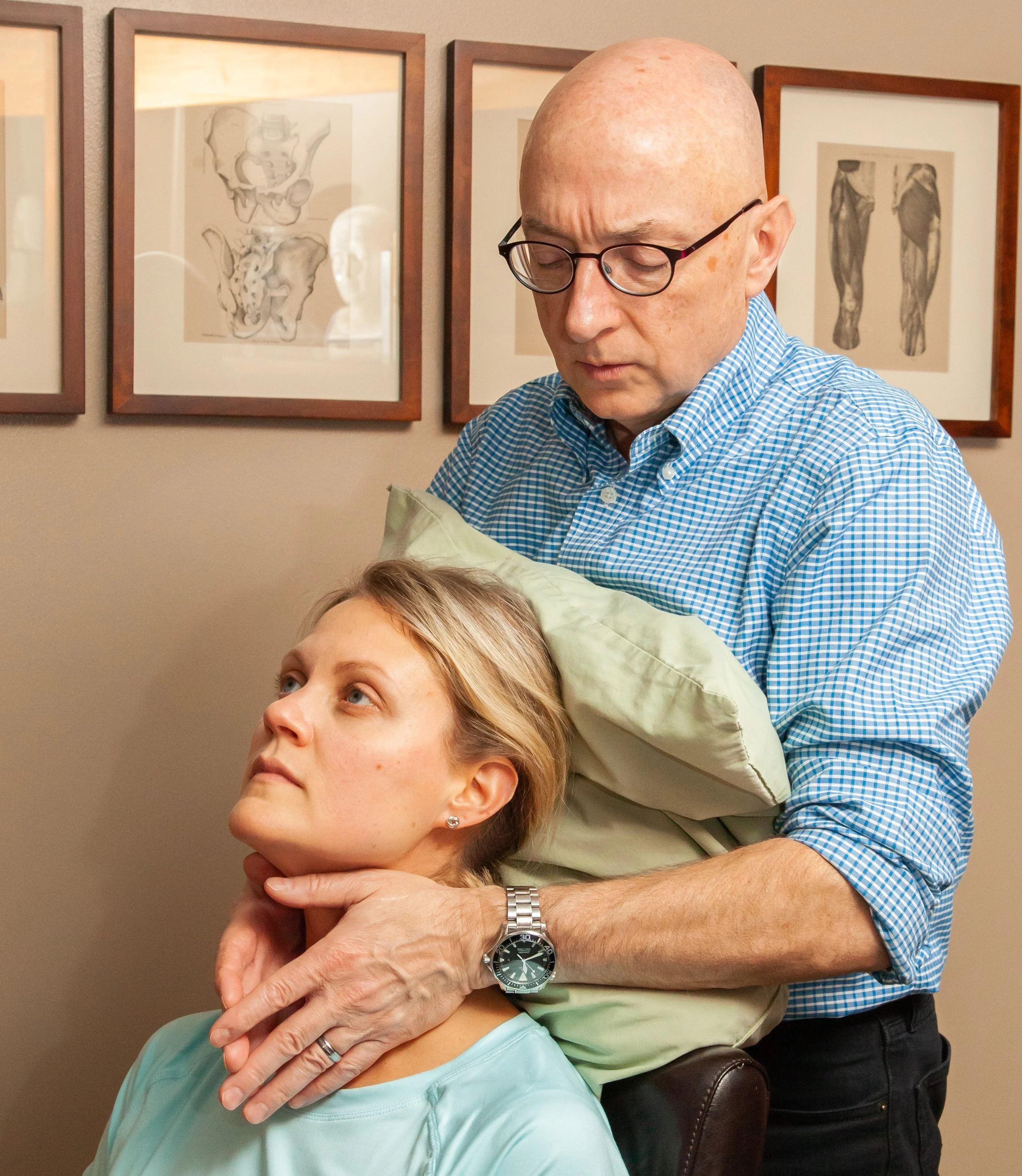
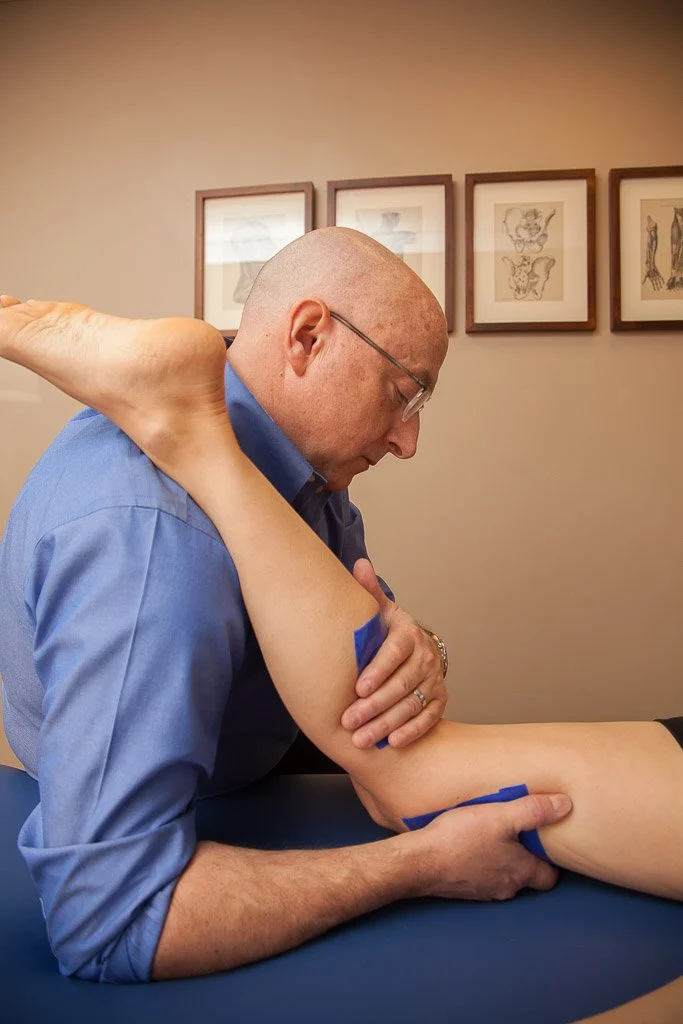
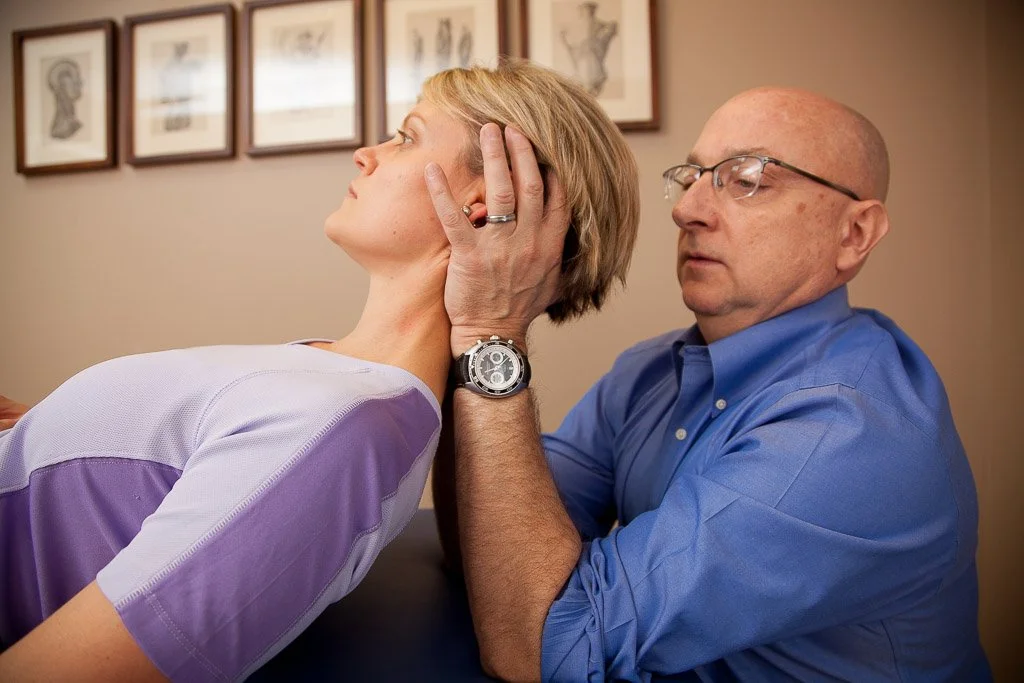
I my practice at the Pain Relief Center I use hands-on manual therapy to aid in reducing pain and restoring function. When combined with movement, exercise, and strengthening, this powerful combination is customized to meet the individual patient's needs. The treatment space may not look like what many expect a PT gym to look like, as it lacks the impressive array of machines used for strengthening, but exercise takes many forms. At the Pain Relief Center, I work with you to create a customized program that meets your needs. With a typical session length of 50 minutes, we can spend the time you need in every session.
I receive contacts from local and regional people, asking if my services can help them. If they are recovering from a recent surgery or injury, a more traditional exercise physical therapy program may suit them better. For this person, I will refer them to one of the fine local clinics that can meet their needs. When I am grateful when my community calls to see a local PT, ethically, I know that they might be better suited elsewhere. I’ll frequently tell them, “If, after you complete your round of exercise-based PT and you are still dealing with pain or movement problems, that is the time to see me.”
My patients come for a wide range of problems and disorders, including:
Lower back pain
Neck pain
Voice and swallowing disorders
Vocal performing issues
Shoulder pain
Respiratory and airway concerns
Joint pain
GERD
And hundreds of other concerns.
I hope this page helps you to decide what sort of therapy is right for you. Not sure? Call me and let’s discuss your case.
Walt Fritz, PT
585-244-6180 (or email)