
Incorporating manual therapy
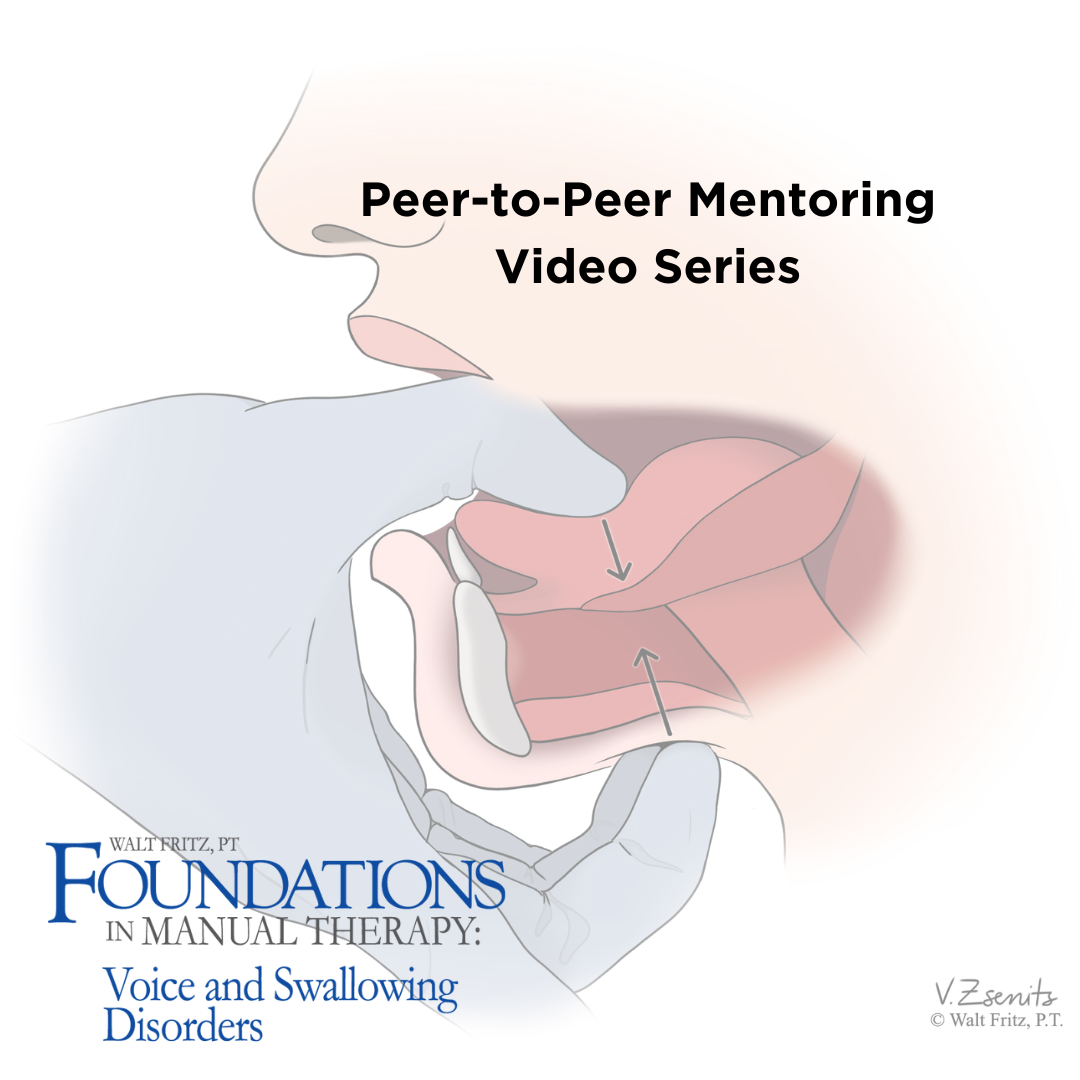
Peer-to-Peer Mentoring Videos
Incorporating manual therapy into current interventions: Tips from peers
In the many years that the Foundations in Manual Therapy: Voice and Swallowing Disorders course has been taught, one of the more frequent questions facing new learners is a deeper understanding of how manual therapy (and shared decision-making) is to be incorporated into the treatment routines of SLPs and other professions. Due to these questions, a new video series has been started. I've polled clinicians of all types, including SLPs in various work settings, on how they've incorporated the work into their daily routines. While all will be presented from a basic framework of questions, I hope the range of responses allows you to see how this work can fit in with and enhance your current strategies.
[embed]https://youtu.be/4MrZtJmhioI[/embed]
Elpida Koutsoubaki, (BA, PgDip) Voice therapist, Speech Pathologist, Psychologist, is the creator of the Integrated Voice Therapy approach to vocal rehabilitation & training for voice specialists: https://ivoicet.gr/. Elpida works in a private practice, seeing a varied case load of voice difficulties, particularly vocal fold paralysis. She also offers online training workshops for voice specialists who wish to develop practical clinical voice skills for rehabilitation as well as personal voice use. The IVT approach considers voice training through the prism of the mind-body-emotion synergy.
Elpida and I had an in-depth conversation about the relational aspects of manual therapy and the larger piece that Elpida has put into place throughout her work and teaching. I've had the pleasure of working with Elpida on my 2023 and 2025 teaching trips to Athens, Greece.
[embed]https://youtu.be/fdiqAnFXk5Y[/embed]
Perrin White discusses incorporating the class content in her role as a speech-language pathologist, orofacial myologist, yoga teacher, and breath coach.
[embed]https://youtu.be/p-WRftdbKyE[/embed] Brooke Beilman McIvern discusses incorporating the manual therapy class content in her role as a speech-language pathologist.
https://youtu.be/dHgvgK9gUN8
Hinde Haa, SLP, CCC-SLP, QOM, IBCLC, discusses incorporating the manual therapy class content in her work with infants through adult patients dealing with feeding, speech, oromyofunctional issues, and oral ties.
[embed]https://youtu.be/rYP-eTiRxbQ[/embed]
Wilson Nice, SLP, discusses incorporating the manual therapy class content in her work with children through adult patients. She explained to me how she started including this work and the strengths and challenges of an approach that includes manual therapy.
[embed]https://youtu.be/kThr6PHsg9k[/embed]
Katelyn Swiader, CCC-SLP, discusses incorporating the manual therapy class content in her work with voice patients. She explained how she started including this work and the strengths and challenges of an approach that includes manual therapy.
[embed]https://youtu.be/CPeeQ8qoyzY[/embed]
Pediatric speech-language pathologist Amy Stumpf discusses incorporating the manual therapy class content in her work with young children, especially with oral motor delays and tongue tie-related issues. She explained how she started including this work and the strengths and challenges of an approach that includes manual therapy.
[embed]https://youtu.be/oK0o9fGLIXk[/embed]
Jennifer Kizner, CCC-SLP, CScD, BCS-S, discusses incorporating the manual therapy class content in her work with head and neck oncology patients at Stanford Healthcare. She explained how she started including this work, how she has adapted the interventions to meet the needs of her patient population, and some advice for those new to manual therapy in the SLP domain. She also discusses the strengths and challenges of an approach that includes manual therapy.
[embed]https://youtu.be/uSQ8a0e0EyY[/embed]
Galite Hyams, CCC-SLP, discusses incorporating the manual therapy class content in her work in neuro rehab. She explained how she started including this work and the strengths and challenges of an approach that includes manual therapy.
[embed]https://youtu.be/8hEI32oPxaM[/embed]
Angie Lehman, a certified orofacial myologist, discusses incorporating the manual therapy class content into her work. She explained how she started including this work benefits of incorporating manual therapy with her patients.
[embed]https://youtu.be/fHUekAVCDLc[/embed]
Holly Maya Greenwood, specialist speech and language therapist and orofacial myofunctional therapist at OM Clinic in Northumberland, UK, discusses incorporating the manual therapy class content into her work. She explained some of the benefits of incorporating this approach with her patients to enhance voice and myofunctional therapy outcomes.
[embed]https://youtu.be/uXtLaI54hXY[/embed]
Anne Shaknis Quirk, a speech-language pathologist with a private practice specializing in neurorehabilitation and voice in Providence, Rhode Island, discusses how she incorporates manual therapy into her work with gender diverse clients. She explained that for many transgender and nonbinary people, voice is a core part of their identity. It's the bridge between how they experience themselves and how they are perceived by the world. She’s successfully used a client-centered approach to help reduce tension and allow her clients to access all aspects of their voice. She explained some benefits of incorporating this approach into the larger pool of therapeutic interventions with her patients. You can subscribe to Anne's email newsletter at https://tinyurl.com/58adz2jr, where Anne shares research and educational articles for the Affirming SLP.