Comparing Models
For those of you who have stayed with me through the past few months and past few blog posts know that I am in transition. The cross pollination concept struck a chord not just with me but with a number of you as well. But a few of you have let me know that you want a bit more of the meat of my changes (no pun intended!). Changing a mindset of cause/treatment from a soft tissue explanation (muscle, fascia) to a neurologically driven one is a bit slow, but most things are for me. So I came up with a mental example that I hope may make things a bit clearer.
Cervical traction is a staple of myofascial release, as well as a vast number of other modalities. I am going to ask you, after reading through this post, to close your eyes and imagine yourself performing cervical traction with a patient. When you gently (or not so gently) wrap your hands around the back of the patient's head/neck and take up the slack into traction, what is it that you are engaging? A first thought might be that you are engaging the spine and the ligaments that comprise the entire spinal region, taking up the slack and providing a stretch to this complex. If you follow the craniosacral therapy paradigm, you may feel that you are engaging the dural tube and freeing dural tube restrictions. You may believe that you are stretching tightness in the muscles and/or fascia of the cervical region. There are so many models of explanation, right?
Now step back and imagine your hand placement. Are you engaging the skull/spine directly with a firmer grip or holding ever so loosely, engaging more of the skin and superficial tissue? This can create quite a difference in what you feel, as well as what your patient feels. Try it next time; take hold of the skin of the back of the neck/head and allow it to glide upward toward the top of the head. Take up this stretch until the gentle resistance is felt. Are you still engaging the spine? Quite possibly, but you are engaging it at a much lighter level. Are you still stretching the muscle/fascia/dural system? Maybe, though it is more of a conceptual construct that a truism. Stretching the skin and cutaneous skin receptors? You betcha! All we can be certain of when we touch a patient is that we are engaging the skin/skin receptors. All else is speculation. I know there will be doubters of this statement, but think about it for a moment. What else can you be certain that you are touching, other than what you are directly engaging?
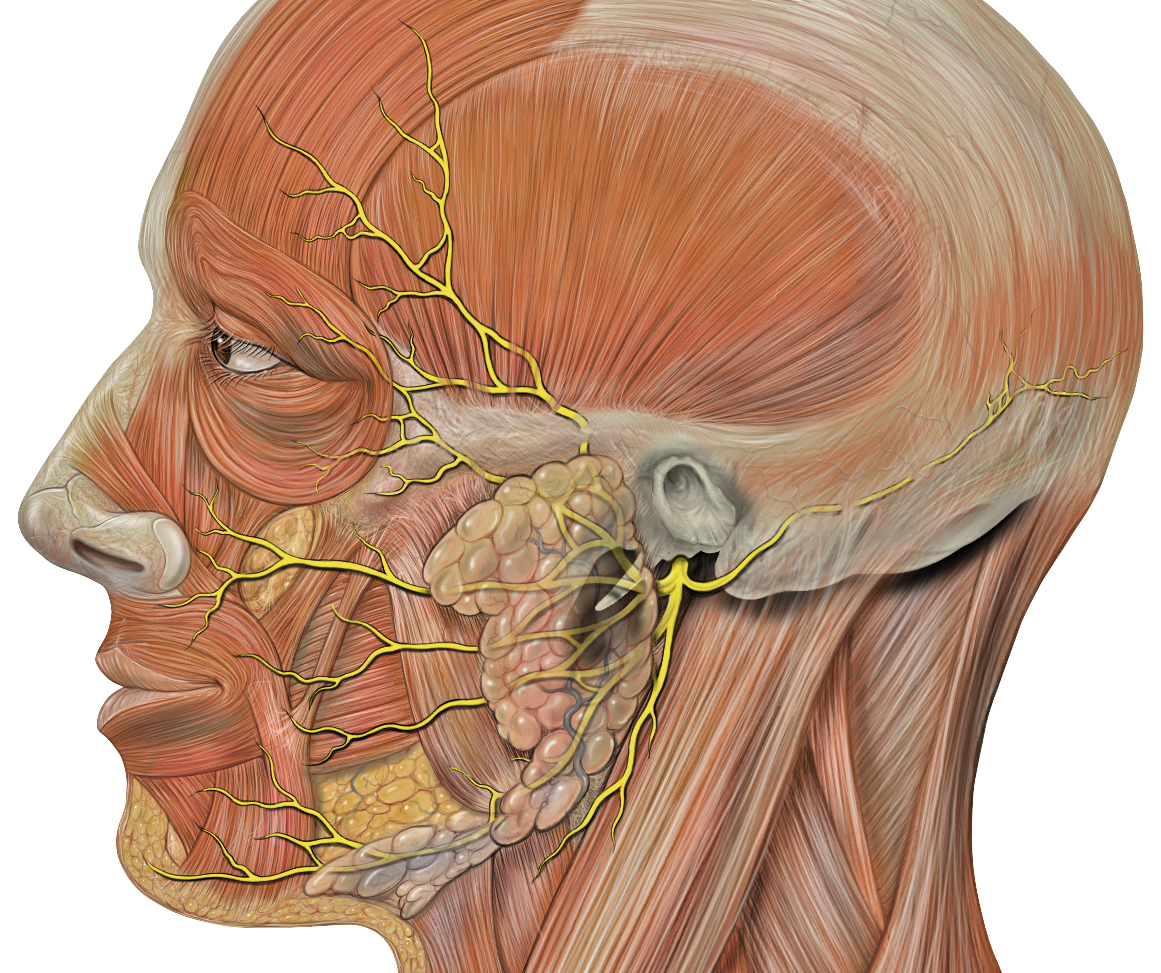
The superficial layers of the skin are richly innervated with both cutaneous and deeper nerves, as well as a multitude of receptors. As a main sensing organ of the brain, the skin is in very close communication with, and could be considered an extension of, the brain. As such, looking into the capabilities of the nervous system as mediators of change can pay important benefits to us as therapists. I am not an expert on the nervous system. For more in-depth discussions of this I would send you to other sources. But I am a curious observer of treatment and change, and can report that since using this novel method of thought and treatment my therapeutic outcomes have improved.
At times, transitioning to different methods of thought and action can be painful and difficult, as old and beloved beliefs are hard to let go of. But when results improve, what could be stopping you? There may never be a perfect answer to the question of what is being engaged when we touch a patient, but just ask yourself, does what I am saying make sense? If you can logically rationalize any of the above explanations based on sound science, then go for it. But if you need to rely on pseudoscience or quantum physics-like explanations....find another way of thought.
For now,
Walt Fritz, PT
Foundations in Myofascial Release Seminars